Buy prefabhomes.eu ?
We are moving the project
prefabhomes.eu .
Are you interested in purchasing the domain
prefabhomes.eu ?
domain@kv-gmbh.de · 0541-91531010
Buy prefabhomes.eu ?
Why is factory farming not sustainable?
Factory farming is not sustainable for several reasons. Firstly, it contributes to environmental degradation through the overuse of natural resources such as water and land, as well as the release of greenhouse gases and pollutants. Additionally, factory farming often relies on the use of antibiotics and hormones, which can lead to the development of antibiotic-resistant bacteria and have negative impacts on human health. Furthermore, the intensive confinement and poor treatment of animals in factory farms raise ethical concerns and can lead to negative social implications. Overall, the industrialized and intensive nature of factory farming is not sustainable in the long term and alternative, more sustainable agricultural practices are needed. **
What is better: eggs from free-range farming or cage farming?
Eggs from free-range farming are generally considered better than those from cage farming. Free-range hens have the opportunity to roam, forage, and engage in natural behaviors, leading to better welfare and potentially healthier eggs. Additionally, free-range eggs may have higher levels of certain nutrients, such as omega-3 fatty acids, due to the hens' varied diet. From an ethical standpoint, free-range farming also allows hens to live a more natural and fulfilling life compared to being confined in cages. **
Similar search terms for Farming
Top-Angebote
Products related to Farming:
-
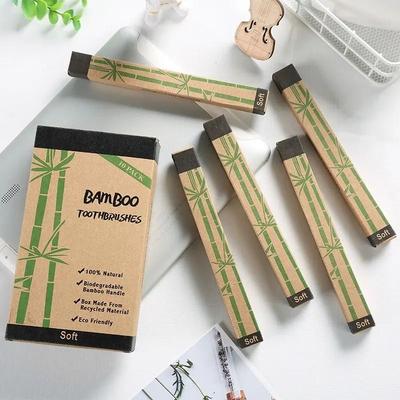
Uplift Essentials Natural Bamboo Eco Friendly Toothbrush 10 Piece Sustainable Family Pack Natural Bamboo Eco Friendly Toothbrush 10 Piece Sustainable Family PackTransition to a greener routine with this Natural Bamboo Toothbrush Set, a premium collection of bamboo products designed to reduce environmental impact without compromising on performance. Each handle is crafted from 100% sustainable bamboo,...37,97 $*Shipping: 0,00 $Secure redirect to the provider
-
MACMILLAN Amanda Owen Yorkshire Shepherdess 4 Book Set – Farming Life & Rural Memoir CollectionThe Yorkshire Shepherdess Amanda Owen has been seen by millions on ITV's The Dales and Channel 5's Our Yorkshire Farm, living a life that has almost gone in today's modern world, a life ruled by the seasons and her animals. She is a farmer's wife and shepherdess, living alongside her husband Clive and seven children at Ravenseat, a 2000 acre sheep hill farm at the head of Swaledale in North Yorkshire. It's a challenging life but one she loves. Adventures Of The Yorkshire Shepherdess Amanda Owen loves her traditional life on her hill farm alongside her nine children and husband Clive. And, as readers of her previous bestsellers will know, every day at Ravenseat brings surprises. In Adventures of the Yorkshire Shepherdess Amanda takes us from her familys desperate race to save a missing calf to finding her bra has been repurposed as a house martins nest, and from wild swimming to the brutal winter that almost brought her to her knees. As busy as she is with her family and flock though, an exciting new project soon catches her eye. A Year in the Life of the Yorkshire Shepherdess From bestselling author Amanda Owen come more stories of life at Ravenseat, the remote Yorkshire hill farm she shares with husband Clive, eight children and 1,000 sheep. In A Year in the Life of the Yorkshire Shepherdess she describes the age-old cycles of a farming year and the constant challenges the family faces, from being cut off in winter to tending their flock on some of Yorkshire's highest, bleakest moors land so inaccessible that in places it can only be reached on foot. Tales From the Farm by the Yorkshire Shepherdess [Hardcover] For everyone who loves watching Amanda Owen and her family on Our Yorkshire Farm, or enjoys reading her bestselling books, comes this delightful and uplifting collection of her monthly Dalesman columns. In Tales From the Farm by the Yorkshire Shepherdess Amanda takes readers on an evocative journey to Ravenseat, where she lives with husband Clive and their nine children, not to mention their flock of sheep, herd of cows, hardworking dogs and a formidable chicken called Linda. tags;the yorkshire shepherdness14,95 £*Shipping: 2,99 £Secure redirect to the provider
-
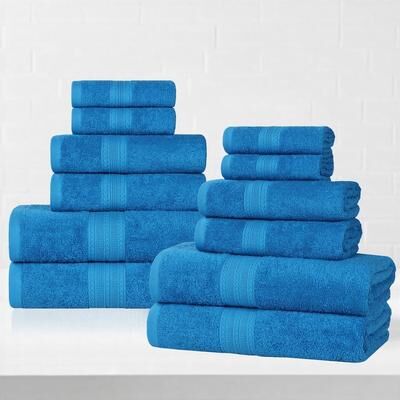
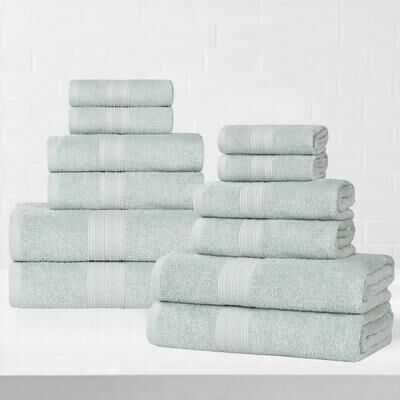
Superior Eco-Friendly Sustainable Cotton 12-Piece Bathroom Towel SetMade with incredibly soft recycled cotton, the Eco-Friendly Sustainable Cotton Bathroom Towel Set is the perfect green addition to any bathroom space. Our sustainable Cotton towels are lightweight to get you dry quickly after a shower or bath.78,99 $*Shipping: 0,00 $Secure redirect to the provider


-
What is factory farming?
Factory farming is a method of raising livestock in high-density confinement to maximize production efficiency. Animals are often kept in crowded and unsanitary conditions, leading to various welfare issues. The primary goal of factory farming is to produce large quantities of meat, dairy, and eggs at a low cost, often at the expense of animal welfare, environmental sustainability, and human health. This industrialized approach to agriculture has been criticized for its negative impacts on animal welfare, the environment, and public health. **
-
What does farming mean?
Farming refers to the practice of cultivating crops and raising animals for food, fiber, and other products. It involves various activities such as planting, tending, and harvesting crops, as well as caring for livestock. Farming is essential for providing food and resources for human consumption and plays a crucial role in the economy and food supply chain. It also involves managing land and natural resources to ensure sustainable and efficient production. **
-
What is the difference between conventional egg farming and organic egg farming?
Conventional egg farming typically involves keeping hens in crowded indoor facilities, feeding them with conventional feed that may contain antibiotics and synthetic pesticides, and using artificial lighting to stimulate egg production. On the other hand, organic egg farming involves providing hens with access to the outdoors, feeding them with organic feed that is free from synthetic additives, and prohibiting the use of antibiotics and synthetic pesticides. Additionally, organic egg farming emphasizes the use of sustainable and environmentally friendly practices, such as rotational grazing and natural pest control methods. **
-
Where does the egg and meat supply come from in animal-friendly farming?
In animal-friendly farming, the egg and meat supply typically comes from farms that prioritize the well-being and humane treatment of the animals. These farms often allow animals to roam freely, have access to outdoor spaces, and are raised in a stress-free environment. The animals are fed a natural diet without the use of antibiotics or hormones, resulting in high-quality eggs and meat that are more sustainable and ethical. Consumers can support these practices by purchasing products labeled as free-range, pasture-raised, or organic. **

What is mass livestock farming?
Mass livestock farming, also known as factory farming, is a method of raising large numbers of animals in a confined space for the purpose of producing meat, milk, and other animal products on a large scale. This type of farming often involves keeping animals in overcrowded and unsanitary conditions, leading to concerns about animal welfare and environmental impact. Mass livestock farming is criticized for its reliance on antibiotics, hormones, and other chemicals to promote growth and prevent disease in animals. **
What is nomadic livestock farming?
Nomadic livestock farming is a form of animal husbandry where herders move their livestock from one grazing area to another in search of fresh pasture and water. This practice is common in arid and semi-arid regions where vegetation is sparse and unpredictable. Nomadic herders rely on traditional knowledge and sustainable practices to ensure the well-being of their animals and to maintain a balance with the environment. This lifestyle has been practiced for centuries and is an integral part of the cultural identity of many communities around the world. **
Top-Angebote
Products related to Farming:
-
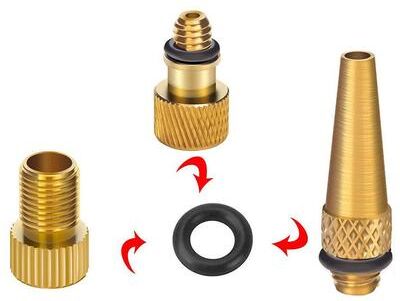
Friendly Fresh Finds Aquarium Air Pump Adapter Set Oxygen Valve Attachments For Fish Tank & Fish Farming Tools Aquarium Air Pump Adapter Set Oxygen Valve Attachments For Fish Tank & Fish Farming ToolsBoost the oxygen levels in your aquarium with the 16Piece Aquarium Air Pump Adapter Set. Perfect for fish tank owners and fish farming enthusiasts, this set includes everything you need to improve air circulation, ensuring a healthier environment...34,97 $*Shipping: 0,00 $Secure redirect to the provider
-
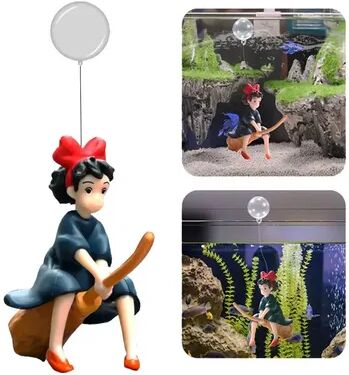
Inspire Daily Merch Fish Tank Cartoon Magic Jewelry, Cake Decoration, Aquarium Accessories, Fish Farming Supplies Fish Tank Cartoon Magic Jewelry, Cake Decoration, Aquarium Accessories, Fish Farming SuppliesTransform Your Fish Tank with Cartoon Magic Decorations Add a touch of whimsy to your fish tank with this Cartoon Magic Jewelry. This Fish Tank Decoration features a suspended design that creates a unique visual effect in your aquarium, making it a...32,97 $*Shipping: 0,00 $Secure redirect to the provider
-
Uplift Essentials Natural Bamboo Eco Friendly Toothbrush 10 Piece Sustainable Family Pack Natural Bamboo Eco Friendly Toothbrush 10 Piece Sustainable Family PackTransition to a greener routine with this Natural Bamboo Toothbrush Set, a premium collection of bamboo products designed to reduce environmental impact without compromising on performance. Each handle is crafted from 100% sustainable bamboo,...37,97 $*Shipping: 0,00 $Secure redirect to the provider
-
Why is factory farming not sustainable?
Factory farming is not sustainable for several reasons. Firstly, it contributes to environmental degradation through the overuse of natural resources such as water and land, as well as the release of greenhouse gases and pollutants. Additionally, factory farming often relies on the use of antibiotics and hormones, which can lead to the development of antibiotic-resistant bacteria and have negative impacts on human health. Furthermore, the intensive confinement and poor treatment of animals in factory farms raise ethical concerns and can lead to negative social implications. Overall, the industrialized and intensive nature of factory farming is not sustainable in the long term and alternative, more sustainable agricultural practices are needed. **
-
What is better: eggs from free-range farming or cage farming?
Eggs from free-range farming are generally considered better than those from cage farming. Free-range hens have the opportunity to roam, forage, and engage in natural behaviors, leading to better welfare and potentially healthier eggs. Additionally, free-range eggs may have higher levels of certain nutrients, such as omega-3 fatty acids, due to the hens' varied diet. From an ethical standpoint, free-range farming also allows hens to live a more natural and fulfilling life compared to being confined in cages. **
-
What is factory farming?
Factory farming is a method of raising livestock in high-density confinement to maximize production efficiency. Animals are often kept in crowded and unsanitary conditions, leading to various welfare issues. The primary goal of factory farming is to produce large quantities of meat, dairy, and eggs at a low cost, often at the expense of animal welfare, environmental sustainability, and human health. This industrialized approach to agriculture has been criticized for its negative impacts on animal welfare, the environment, and public health. **
-
What does farming mean?
Farming refers to the practice of cultivating crops and raising animals for food, fiber, and other products. It involves various activities such as planting, tending, and harvesting crops, as well as caring for livestock. Farming is essential for providing food and resources for human consumption and plays a crucial role in the economy and food supply chain. It also involves managing land and natural resources to ensure sustainable and efficient production. **
Similar search terms for Farming
-
MACMILLAN Amanda Owen Yorkshire Shepherdess 4 Book Set – Farming Life & Rural Memoir CollectionThe Yorkshire Shepherdess Amanda Owen has been seen by millions on ITV's The Dales and Channel 5's Our Yorkshire Farm, living a life that has almost gone in today's modern world, a life ruled by the seasons and her animals. She is a farmer's wife and shepherdess, living alongside her husband Clive and seven children at Ravenseat, a 2000 acre sheep hill farm at the head of Swaledale in North Yorkshire. It's a challenging life but one she loves. Adventures Of The Yorkshire Shepherdess Amanda Owen loves her traditional life on her hill farm alongside her nine children and husband Clive. And, as readers of her previous bestsellers will know, every day at Ravenseat brings surprises. In Adventures of the Yorkshire Shepherdess Amanda takes us from her familys desperate race to save a missing calf to finding her bra has been repurposed as a house martins nest, and from wild swimming to the brutal winter that almost brought her to her knees. As busy as she is with her family and flock though, an exciting new project soon catches her eye. A Year in the Life of the Yorkshire Shepherdess From bestselling author Amanda Owen come more stories of life at Ravenseat, the remote Yorkshire hill farm she shares with husband Clive, eight children and 1,000 sheep. In A Year in the Life of the Yorkshire Shepherdess she describes the age-old cycles of a farming year and the constant challenges the family faces, from being cut off in winter to tending their flock on some of Yorkshire's highest, bleakest moors land so inaccessible that in places it can only be reached on foot. Tales From the Farm by the Yorkshire Shepherdess [Hardcover] For everyone who loves watching Amanda Owen and her family on Our Yorkshire Farm, or enjoys reading her bestselling books, comes this delightful and uplifting collection of her monthly Dalesman columns. In Tales From the Farm by the Yorkshire Shepherdess Amanda takes readers on an evocative journey to Ravenseat, where she lives with husband Clive and their nine children, not to mention their flock of sheep, herd of cows, hardworking dogs and a formidable chicken called Linda. tags;the yorkshire shepherdness14,95 £*Shipping: 2,99 £Secure redirect to the provider
-
Superior Eco-Friendly Sustainable Cotton 12-Piece Bathroom Towel SetMade with incredibly soft recycled cotton, the Eco-Friendly Sustainable Cotton Bathroom Towel Set is the perfect green addition to any bathroom space. Our sustainable Cotton towels are lightweight to get you dry quickly after a shower or bath.78,99 $*Shipping: 0,00 $Secure redirect to the provider
-
Superior Eco-Friendly Sustainable Cotton 12-Piece Bathroom Towel SetMade with incredibly soft recycled cotton, the Eco-Friendly Sustainable Cotton Bathroom Towel Set is the perfect green addition to any bathroom space. Our sustainable Cotton towels are lightweight to get you dry quickly after a shower or bath.63,19 $*Shipping: 0,00 $Secure redirect to the provider
-
What is the difference between conventional egg farming and organic egg farming?
Conventional egg farming typically involves keeping hens in crowded indoor facilities, feeding them with conventional feed that may contain antibiotics and synthetic pesticides, and using artificial lighting to stimulate egg production. On the other hand, organic egg farming involves providing hens with access to the outdoors, feeding them with organic feed that is free from synthetic additives, and prohibiting the use of antibiotics and synthetic pesticides. Additionally, organic egg farming emphasizes the use of sustainable and environmentally friendly practices, such as rotational grazing and natural pest control methods. **
-
Where does the egg and meat supply come from in animal-friendly farming?
In animal-friendly farming, the egg and meat supply typically comes from farms that prioritize the well-being and humane treatment of the animals. These farms often allow animals to roam freely, have access to outdoor spaces, and are raised in a stress-free environment. The animals are fed a natural diet without the use of antibiotics or hormones, resulting in high-quality eggs and meat that are more sustainable and ethical. Consumers can support these practices by purchasing products labeled as free-range, pasture-raised, or organic. **
-
What is mass livestock farming?
Mass livestock farming, also known as factory farming, is a method of raising large numbers of animals in a confined space for the purpose of producing meat, milk, and other animal products on a large scale. This type of farming often involves keeping animals in overcrowded and unsanitary conditions, leading to concerns about animal welfare and environmental impact. Mass livestock farming is criticized for its reliance on antibiotics, hormones, and other chemicals to promote growth and prevent disease in animals. **
-
What is nomadic livestock farming?
Nomadic livestock farming is a form of animal husbandry where herders move their livestock from one grazing area to another in search of fresh pasture and water. This practice is common in arid and semi-arid regions where vegetation is sparse and unpredictable. Nomadic herders rely on traditional knowledge and sustainable practices to ensure the well-being of their animals and to maintain a balance with the environment. This lifestyle has been practiced for centuries and is an integral part of the cultural identity of many communities around the world. **
* All prices are inclusive of VAT and, if applicable, plus shipping costs. The offer information is based on the details provided by the respective shop and is updated through automated processes. Real-time updates do not occur, so deviations can occur in individual cases. ** Note: Parts of this content were created by AI.