Buy prefabhomes.eu ?
We are moving the project
prefabhomes.eu .
Are you interested in purchasing the domain
prefabhomes.eu ?
domain@kv-gmbh.de · 0541-91531010
Buy prefabhomes.eu ?
Is nuclear power sustainable?
Nuclear power is a controversial topic when it comes to sustainability. On one hand, nuclear power plants do not emit greenhouse gases during operation, making them a cleaner alternative to fossil fuels. However, the long-term sustainability of nuclear power is debated due to concerns about nuclear waste disposal, the potential for accidents like Chernobyl or Fukushima, and the limited availability of uranium fuel. Additionally, the high costs of building and decommissioning nuclear power plants can also be a barrier to its long-term sustainability. **
Why is nuclear power sustainable?
Nuclear power is considered sustainable because it produces low greenhouse gas emissions, which helps to mitigate climate change. Additionally, nuclear power plants can generate large amounts of electricity consistently, providing a reliable source of energy. Nuclear fuel, such as uranium, is also abundant and can be used efficiently, reducing the need for large amounts of resources. Furthermore, advancements in nuclear technology, such as the development of small modular reactors, are making nuclear power more flexible and adaptable to different energy needs. **
Similar search terms for Nuclear
Top-Angebote
Products related to Nuclear:
-
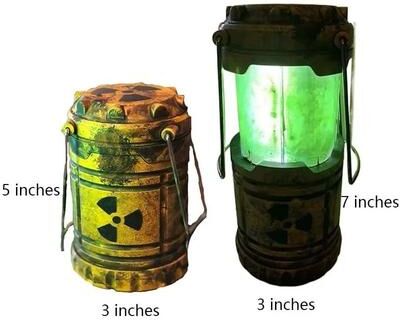
Useful Little Things Nuclear Reactor Lantern Mini Handheld Nuclear Reaction Push Simulation Illuminator Toy Sci Fi Desk Decor pink CrackLight up your tabletop with post apocalyptic sci fi energy using our mini handheld nuclear reactor lantern. Designed as an interactive simulation illuminator, this futuristic lantern features a tactile push mechanism that activates internal lighting...49,97 $*Shipping: 0,00 $Secure redirect to the provider

-
Is nuclear power environmentally friendly?
Nuclear power has both advantages and disadvantages when it comes to its environmental impact. On one hand, nuclear power plants do not emit greenhouse gases during operation, which helps in reducing carbon emissions and combating climate change. However, the process of mining uranium, constructing nuclear plants, and managing radioactive waste can have negative environmental consequences. Additionally, the risk of accidents and the potential for long-term environmental damage in the event of a nuclear disaster are important factors to consider when evaluating the overall environmental friendliness of nuclear power. **
-
Why does the EU classify nuclear power and gas as sustainable and climate-friendly?
The EU classifies nuclear power and gas as sustainable and climate-friendly because they are considered low-carbon energy sources. Nuclear power does not produce greenhouse gas emissions during electricity generation, and gas emits less carbon dioxide compared to coal when burned for energy. Additionally, the EU sees these energy sources as important for transitioning away from more carbon-intensive fuels and reducing overall greenhouse gas emissions. However, there is ongoing debate and controversy surrounding the sustainability and safety of nuclear power, as well as concerns about methane emissions from gas production and transportation. **
-
Why are the Greens so much against sustainable nuclear power?
The Greens are generally against sustainable nuclear power because they have concerns about the safety and environmental impact of nuclear energy. They argue that nuclear power plants produce radioactive waste that remains hazardous for thousands of years, and that accidents like the ones at Chernobyl and Fukushima have demonstrated the potential for catastrophic consequences. Additionally, they believe that investing in nuclear power diverts resources and attention away from renewable energy sources like wind and solar power, which they see as safer and more sustainable alternatives. Finally, the Greens also have concerns about the potential for nuclear proliferation and the connection between nuclear power and nuclear weapons. **
-
Why would nuclear waste be produced in nuclear fusion?
Nuclear waste is not produced in nuclear fusion. Unlike nuclear fission, which produces radioactive waste, nuclear fusion does not produce long-lived radioactive waste. In a fusion reaction, the fuel is typically isotopes of hydrogen, such as deuterium and tritium, and the main byproduct is helium. This makes nuclear fusion a much cleaner and safer form of nuclear energy production compared to nuclear fission. **
What is nuclear fusion and what is nuclear mass?
Nuclear fusion is a process in which two atomic nuclei combine to form a heavier nucleus, releasing a large amount of energy in the process. This process is the same reaction that powers the sun and other stars. Nuclear mass, on the other hand, refers to the total mass of an atomic nucleus, which is composed of protons and neutrons. The mass of a nucleus is slightly less than the sum of the masses of its individual protons and neutrons, due to the binding energy that holds the nucleus together. **
What is more environmentally friendly: coal power plants or nuclear power plants?
Nuclear power plants are generally considered more environmentally friendly than coal power plants. While both types of plants produce electricity with low greenhouse gas emissions, coal power plants release higher levels of carbon dioxide, sulfur dioxide, and nitrogen oxides, contributing to air pollution and climate change. On the other hand, nuclear power plants produce no greenhouse gas emissions during operation and have a smaller environmental footprint in terms of land use and waste generation. However, nuclear power plants do pose risks related to radioactive waste disposal and the potential for accidents, which must be carefully managed. **
Top-Angebote
Products related to Nuclear:
-
Useful Little Things Nuclear Reactor Lantern Mini Handheld Nuclear Reaction Push Simulation Illuminator Toy Sci Fi Desk Decor green BlackLight up your tabletop with post apocalyptic sci fi energy using our mini handheld nuclear reactor lantern. Designed as an interactive simulation illuminator, this futuristic lantern features a tactile push mechanism that activates internal lighting...49,97 $*Shipping: 0,00 $Secure redirect to the provider
-
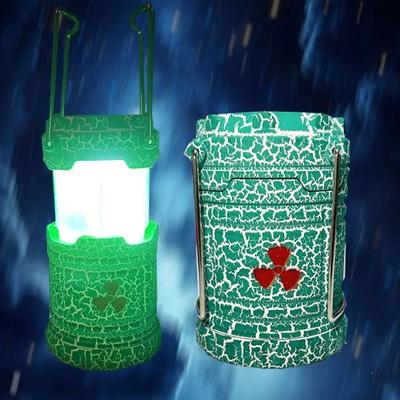
Useful Little Things Nuclear Reactor Lantern Mini Handheld Nuclear Reaction Push Simulation Illuminator Toy Sci Fi Desk Decor green CrackLight up your tabletop with post apocalyptic sci fi energy using our mini handheld nuclear reactor lantern. Designed as an interactive simulation illuminator, this futuristic lantern features a tactile push mechanism that activates internal lighting...49,97 $*Shipping: 0,00 $Secure redirect to the provider
-
Useful Little Things Nuclear Reactor Lantern Mini Handheld Nuclear Reaction Push Simulation Illuminator Toy Sci Fi Desk Decor pink CrackLight up your tabletop with post apocalyptic sci fi energy using our mini handheld nuclear reactor lantern. Designed as an interactive simulation illuminator, this futuristic lantern features a tactile push mechanism that activates internal lighting...49,97 $*Shipping: 0,00 $Secure redirect to the provider
-
Is nuclear power sustainable?
Nuclear power is a controversial topic when it comes to sustainability. On one hand, nuclear power plants do not emit greenhouse gases during operation, making them a cleaner alternative to fossil fuels. However, the long-term sustainability of nuclear power is debated due to concerns about nuclear waste disposal, the potential for accidents like Chernobyl or Fukushima, and the limited availability of uranium fuel. Additionally, the high costs of building and decommissioning nuclear power plants can also be a barrier to its long-term sustainability. **
-
Why is nuclear power sustainable?
Nuclear power is considered sustainable because it produces low greenhouse gas emissions, which helps to mitigate climate change. Additionally, nuclear power plants can generate large amounts of electricity consistently, providing a reliable source of energy. Nuclear fuel, such as uranium, is also abundant and can be used efficiently, reducing the need for large amounts of resources. Furthermore, advancements in nuclear technology, such as the development of small modular reactors, are making nuclear power more flexible and adaptable to different energy needs. **
-
Is nuclear power environmentally friendly?
Nuclear power has both advantages and disadvantages when it comes to its environmental impact. On one hand, nuclear power plants do not emit greenhouse gases during operation, which helps in reducing carbon emissions and combating climate change. However, the process of mining uranium, constructing nuclear plants, and managing radioactive waste can have negative environmental consequences. Additionally, the risk of accidents and the potential for long-term environmental damage in the event of a nuclear disaster are important factors to consider when evaluating the overall environmental friendliness of nuclear power. **
-
Why does the EU classify nuclear power and gas as sustainable and climate-friendly?
The EU classifies nuclear power and gas as sustainable and climate-friendly because they are considered low-carbon energy sources. Nuclear power does not produce greenhouse gas emissions during electricity generation, and gas emits less carbon dioxide compared to coal when burned for energy. Additionally, the EU sees these energy sources as important for transitioning away from more carbon-intensive fuels and reducing overall greenhouse gas emissions. However, there is ongoing debate and controversy surrounding the sustainability and safety of nuclear power, as well as concerns about methane emissions from gas production and transportation. **
Similar search terms for Nuclear
-
Why are the Greens so much against sustainable nuclear power?
The Greens are generally against sustainable nuclear power because they have concerns about the safety and environmental impact of nuclear energy. They argue that nuclear power plants produce radioactive waste that remains hazardous for thousands of years, and that accidents like the ones at Chernobyl and Fukushima have demonstrated the potential for catastrophic consequences. Additionally, they believe that investing in nuclear power diverts resources and attention away from renewable energy sources like wind and solar power, which they see as safer and more sustainable alternatives. Finally, the Greens also have concerns about the potential for nuclear proliferation and the connection between nuclear power and nuclear weapons. **
-
Why would nuclear waste be produced in nuclear fusion?
Nuclear waste is not produced in nuclear fusion. Unlike nuclear fission, which produces radioactive waste, nuclear fusion does not produce long-lived radioactive waste. In a fusion reaction, the fuel is typically isotopes of hydrogen, such as deuterium and tritium, and the main byproduct is helium. This makes nuclear fusion a much cleaner and safer form of nuclear energy production compared to nuclear fission. **
-
What is nuclear fusion and what is nuclear mass?
Nuclear fusion is a process in which two atomic nuclei combine to form a heavier nucleus, releasing a large amount of energy in the process. This process is the same reaction that powers the sun and other stars. Nuclear mass, on the other hand, refers to the total mass of an atomic nucleus, which is composed of protons and neutrons. The mass of a nucleus is slightly less than the sum of the masses of its individual protons and neutrons, due to the binding energy that holds the nucleus together. **
-
What is more environmentally friendly: coal power plants or nuclear power plants?
Nuclear power plants are generally considered more environmentally friendly than coal power plants. While both types of plants produce electricity with low greenhouse gas emissions, coal power plants release higher levels of carbon dioxide, sulfur dioxide, and nitrogen oxides, contributing to air pollution and climate change. On the other hand, nuclear power plants produce no greenhouse gas emissions during operation and have a smaller environmental footprint in terms of land use and waste generation. However, nuclear power plants do pose risks related to radioactive waste disposal and the potential for accidents, which must be carefully managed. **
* All prices are inclusive of VAT and, if applicable, plus shipping costs. The offer information is based on the details provided by the respective shop and is updated through automated processes. Real-time updates do not occur, so deviations can occur in individual cases. ** Note: Parts of this content were created by AI.