Buy prefabhomes.eu ?
We are moving the project
prefabhomes.eu .
Are you interested in purchasing the domain
prefabhomes.eu ?
domain@kv-gmbh.de · 0541-91531010
Buy prefabhomes.eu ?
What is the difference between allosteric inhibition and allosteric activation?
Allosteric inhibition occurs when a molecule binds to an allosteric site on an enzyme, causing a conformational change that decreases the enzyme's activity. In contrast, allosteric activation involves a molecule binding to an allosteric site on an enzyme, leading to a conformational change that increases the enzyme's activity. Essentially, allosteric inhibition decreases enzyme activity, while allosteric activation increases enzyme activity. **
Is allosteric inhibition irreversible?
Allosteric inhibition is typically reversible, meaning that the inhibitor can bind to the allosteric site and block the activity of the enzyme, but can also dissociate from the site, allowing the enzyme to regain its activity. This is in contrast to irreversible inhibition, where the inhibitor forms a covalent bond with the enzyme, permanently inactivating it. **

Similar search terms for Allosteric
Top-Angebote
Products related to Allosteric:
-
Superior Eco-Friendly Sustainable Cotton 6-Piece Bathroom Towel SetMade with incredibly soft recycled cotton, the Eco-Friendly Sustainable Cotton Bathroom Towel Set is the perfect green addition to any bathroom space. Our sustainable Cotton towels have a lightweight to get you dry quickly after a shower or bath.44,99 $*Shipping: 0,00 $Secure redirect to the provider
-
Superior Eco-Friendly Sustainable Cotton 12-Piece Bathroom Towel SetMade with incredibly soft recycled cotton, the Eco-Friendly Sustainable Cotton Bathroom Towel Set is the perfect green addition to any bathroom space. Our sustainable Cotton towels are lightweight to get you dry quickly after a shower or bath.63,19 $*Shipping: 0,00 $Secure redirect to the provider
-
Superior Eco-Friendly Sustainable Cotton 12-Piece Bathroom Towel SetMade with incredibly soft recycled cotton, the Eco-Friendly Sustainable Cotton Bathroom Towel Set is the perfect green addition to any bathroom space. Our sustainable Cotton towels are lightweight to get you dry quickly after a shower or bath.61,91 $*Shipping: 0,00 $Secure redirect to the provider
-
Superior Eco-Friendly Sustainable Cotton 12-Piece Bathroom Towel SetMade with incredibly soft recycled cotton, the Eco-Friendly Sustainable Cotton Bathroom Towel Set is the perfect green addition to any bathroom space. Our sustainable Cotton towels are lightweight to get you dry quickly after a shower or bath.64,59 $*Shipping: 0,00 $Secure redirect to the provider




-
What is allosteric inhibition?
Allosteric inhibition is a type of enzyme regulation where a molecule binds to a site on the enzyme that is different from the active site, causing a conformational change in the enzyme's structure. This change reduces the enzyme's activity and ability to bind to its substrate, ultimately inhibiting its function. Allosteric inhibition is a reversible process and can be used to regulate enzyme activity in response to changing cellular conditions. **
-
What is a cofactor allosteric activator?
A cofactor allosteric activator is a molecule that binds to an enzyme at a site other than the active site, causing a conformational change in the enzyme that increases its activity. This type of activator works by promoting the enzyme's ability to bind to its substrate and carry out its catalytic function. Cofactor allosteric activators are important for regulating enzyme activity in response to changes in the cell's environment, allowing for fine-tuning of metabolic pathways and other cellular processes. **
-
Does Vmax change in allosteric inhibition?
Yes, Vmax can change in allosteric inhibition. Allosteric inhibition occurs when a molecule binds to an enzyme at a site other than the active site, causing a conformational change that reduces the enzyme's activity. This can result in a decrease in the enzyme's maximum velocity (Vmax) as the enzyme becomes less efficient at catalyzing the reaction. Therefore, allosteric inhibition can lead to a decrease in Vmax, ultimately affecting the rate of the enzymatic reaction. **
-
Is end product repression automatically an allosteric inhibition?
End product repression is not automatically an allosteric inhibition. While end product repression often involves the inhibition of an enzyme by the end product of a metabolic pathway, this inhibition can occur through various mechanisms. Allosteric inhibition is one possible mechanism, where the end product binds to a site on the enzyme other than the active site, leading to a conformational change that inhibits the enzyme's activity. However, end product repression can also occur through competitive inhibition, non-competitive inhibition, or other regulatory mechanisms that do not involve allosteric binding. **


Is an end-product repression automatically an allosteric inhibition?
No, an end-product repression is not automatically an allosteric inhibition. End-product repression refers to the regulation of enzyme activity by the final product of a metabolic pathway, typically through feedback inhibition. This can occur through various mechanisms, including competitive inhibition or non-competitive inhibition, in addition to allosteric inhibition. Allosteric inhibition specifically involves the binding of a molecule at a site other than the active site, leading to a conformational change that affects enzyme activity. **
What is the difference between competitive and allosteric inhibition?
Competitive inhibition occurs when a molecule competes with the substrate for the active site of an enzyme, blocking the substrate from binding and inhibiting the enzyme's activity. In contrast, allosteric inhibition involves a molecule binding to a site on the enzyme that is not the active site, causing a conformational change in the enzyme that reduces its activity. Allosteric inhibitors can either enhance or reduce the enzyme's activity, depending on the specific molecule and its binding site on the enzyme. **
Top-Angebote
Products related to Allosteric:
-
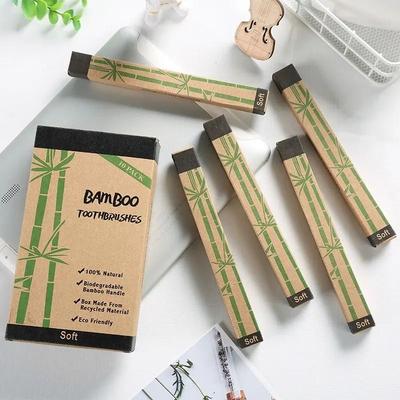
Uplift Essentials Natural Bamboo Eco Friendly Toothbrush 10 Piece Sustainable Family Pack Natural Bamboo Eco Friendly Toothbrush 10 Piece Sustainable Family PackTransition to a greener routine with this Natural Bamboo Toothbrush Set, a premium collection of bamboo products designed to reduce environmental impact without compromising on performance. Each handle is crafted from 100% sustainable bamboo,...37,97 $*Shipping: 0,00 $Secure redirect to the provider
-
Superior Eco-Friendly Sustainable Cotton 12-Piece Bathroom Towel SetMade with incredibly soft recycled cotton, the Eco-Friendly Sustainable Cotton Bathroom Towel Set is the perfect green addition to any bathroom space. Our sustainable Cotton towels are lightweight to get you dry quickly after a shower or bath.78,99 $*Shipping: 0,00 $Secure redirect to the provider
-
Superior Eco-Friendly Sustainable Cotton 6-Piece Bathroom Towel SetMade with incredibly soft recycled cotton, the Eco-Friendly Sustainable Cotton Bathroom Towel Set is the perfect green addition to any bathroom space. Our sustainable Cotton towels have a lightweight to get you dry quickly after a shower or bath.44,99 $*Shipping: 0,00 $Secure redirect to the provider
-
Superior Eco-Friendly Sustainable Cotton 12-Piece Bathroom Towel SetMade with incredibly soft recycled cotton, the Eco-Friendly Sustainable Cotton Bathroom Towel Set is the perfect green addition to any bathroom space. Our sustainable Cotton towels are lightweight to get you dry quickly after a shower or bath.63,19 $*Shipping: 0,00 $Secure redirect to the provider
-
What is the difference between allosteric inhibition and allosteric activation?
Allosteric inhibition occurs when a molecule binds to an allosteric site on an enzyme, causing a conformational change that decreases the enzyme's activity. In contrast, allosteric activation involves a molecule binding to an allosteric site on an enzyme, leading to a conformational change that increases the enzyme's activity. Essentially, allosteric inhibition decreases enzyme activity, while allosteric activation increases enzyme activity. **
-
Is allosteric inhibition irreversible?
Allosteric inhibition is typically reversible, meaning that the inhibitor can bind to the allosteric site and block the activity of the enzyme, but can also dissociate from the site, allowing the enzyme to regain its activity. This is in contrast to irreversible inhibition, where the inhibitor forms a covalent bond with the enzyme, permanently inactivating it. **
-
What is allosteric inhibition?
Allosteric inhibition is a type of enzyme regulation where a molecule binds to a site on the enzyme that is different from the active site, causing a conformational change in the enzyme's structure. This change reduces the enzyme's activity and ability to bind to its substrate, ultimately inhibiting its function. Allosteric inhibition is a reversible process and can be used to regulate enzyme activity in response to changing cellular conditions. **
-
What is a cofactor allosteric activator?
A cofactor allosteric activator is a molecule that binds to an enzyme at a site other than the active site, causing a conformational change in the enzyme that increases its activity. This type of activator works by promoting the enzyme's ability to bind to its substrate and carry out its catalytic function. Cofactor allosteric activators are important for regulating enzyme activity in response to changes in the cell's environment, allowing for fine-tuning of metabolic pathways and other cellular processes. **
Similar search terms for Allosteric
-
Superior Eco-Friendly Sustainable Cotton 12-Piece Bathroom Towel SetMade with incredibly soft recycled cotton, the Eco-Friendly Sustainable Cotton Bathroom Towel Set is the perfect green addition to any bathroom space. Our sustainable Cotton towels are lightweight to get you dry quickly after a shower or bath.61,91 $*Shipping: 0,00 $Secure redirect to the provider
-
Superior Eco-Friendly Sustainable Cotton 12-Piece Bathroom Towel SetMade with incredibly soft recycled cotton, the Eco-Friendly Sustainable Cotton Bathroom Towel Set is the perfect green addition to any bathroom space. Our sustainable Cotton towels are lightweight to get you dry quickly after a shower or bath.64,59 $*Shipping: 0,00 $Secure redirect to the provider
-
Superior Eco-Friendly Sustainable Cotton 12-Piece Bathroom Towel SetMade with incredibly soft recycled cotton, the Eco-Friendly Sustainable Cotton Bathroom Towel Set is the perfect green addition to any bathroom space. Our sustainable Cotton towels are lightweight to get you dry quickly after a shower or bath.80,99 $*Shipping: 0,00 $Secure redirect to the provider
-
Superior Eco-Friendly Sustainable Cotton 12-Piece Bathroom Towel SetMade with incredibly soft recycled cotton, the Eco-Friendly Sustainable Cotton Bathroom Towel Set is the perfect green addition to any bathroom space. Our sustainable Cotton towels are lightweight to get you dry quickly after a shower or bath.61,90 $*Shipping: 0,00 $Secure redirect to the provider
-
Does Vmax change in allosteric inhibition?
Yes, Vmax can change in allosteric inhibition. Allosteric inhibition occurs when a molecule binds to an enzyme at a site other than the active site, causing a conformational change that reduces the enzyme's activity. This can result in a decrease in the enzyme's maximum velocity (Vmax) as the enzyme becomes less efficient at catalyzing the reaction. Therefore, allosteric inhibition can lead to a decrease in Vmax, ultimately affecting the rate of the enzymatic reaction. **
-
Is end product repression automatically an allosteric inhibition?
End product repression is not automatically an allosteric inhibition. While end product repression often involves the inhibition of an enzyme by the end product of a metabolic pathway, this inhibition can occur through various mechanisms. Allosteric inhibition is one possible mechanism, where the end product binds to a site on the enzyme other than the active site, leading to a conformational change that inhibits the enzyme's activity. However, end product repression can also occur through competitive inhibition, non-competitive inhibition, or other regulatory mechanisms that do not involve allosteric binding. **
-
Is an end-product repression automatically an allosteric inhibition?
No, an end-product repression is not automatically an allosteric inhibition. End-product repression refers to the regulation of enzyme activity by the final product of a metabolic pathway, typically through feedback inhibition. This can occur through various mechanisms, including competitive inhibition or non-competitive inhibition, in addition to allosteric inhibition. Allosteric inhibition specifically involves the binding of a molecule at a site other than the active site, leading to a conformational change that affects enzyme activity. **
-
What is the difference between competitive and allosteric inhibition?
Competitive inhibition occurs when a molecule competes with the substrate for the active site of an enzyme, blocking the substrate from binding and inhibiting the enzyme's activity. In contrast, allosteric inhibition involves a molecule binding to a site on the enzyme that is not the active site, causing a conformational change in the enzyme that reduces its activity. Allosteric inhibitors can either enhance or reduce the enzyme's activity, depending on the specific molecule and its binding site on the enzyme. **
* All prices are inclusive of VAT and, if applicable, plus shipping costs. The offer information is based on the details provided by the respective shop and is updated through automated processes. Real-time updates do not occur, so deviations can occur in individual cases. ** Note: Parts of this content were created by AI.