Buy prefabhomes.eu ?
We are moving the project
prefabhomes.eu .
Are you interested in purchasing the domain
prefabhomes.eu ?
domain@kv-gmbh.de · 0541-91531010
Buy prefabhomes.eu ?
How was your postpartum experience?
My postpartum experience was challenging but also filled with joy and love. Physically, I struggled with recovery from childbirth and adjusting to the demands of caring for a newborn. Emotionally, I experienced a range of feelings, from overwhelming love for my baby to moments of anxiety and sadness. However, I also received incredible support from my partner, family, and friends, which made a huge difference in my postpartum journey. Overall, it was a time of growth, learning, and deep bonding with my new baby. **
Do I suffer from postpartum depression?
I'm not a medical professional, so I cannot diagnose you with postpartum depression. However, if you are experiencing symptoms such as feelings of sadness, hopelessness, irritability, or difficulty bonding with your baby that last longer than two weeks after giving birth, it's important to speak with a healthcare provider. They can provide a proper evaluation and recommend appropriate treatment options if needed. Remember, seeking help is a sign of strength and taking care of your mental health is important for both you and your baby. **

Similar search terms for Postpartum
Top-Angebote
Products related to Postpartum:
-
Superior Eco-Friendly Sustainable Cotton 6-Piece Bathroom Towel SetMade with incredibly soft recycled cotton, the Eco-Friendly Sustainable Cotton Bathroom Towel Set is the perfect green addition to any bathroom space. Our sustainable Cotton towels have a lightweight to get you dry quickly after a shower or bath.44,99 $*Shipping: 0,00 $Secure redirect to the provider

-
Am I suffering from postpartum depression?
If you are experiencing persistent feelings of sadness, hopelessness, or worthlessness after giving birth, you may be suffering from postpartum depression. Other symptoms include changes in appetite, sleep disturbances, difficulty bonding with your baby, and thoughts of harming yourself or your baby. It is important to seek help from a healthcare provider if you suspect you may have postpartum depression, as it is a treatable condition. Remember, you are not alone, and support is available to help you through this challenging time. **
-
What does postpartum mean after pregnancy?
Postpartum refers to the period of time after a woman has given birth. This period can last for several weeks to several months, and is a time of physical and emotional adjustment for the mother. During this time, the mother's body undergoes various changes as it returns to its pre-pregnancy state, and she may also experience emotional changes as she adapts to the new responsibilities of caring for a newborn. Postpartum care is important for both the physical and emotional well-being of the mother and should be provided by healthcare professionals to ensure a smooth transition into motherhood. **
-
Is the postpartum period really that bad?
The postpartum period can be challenging for many women due to physical discomfort, hormonal changes, sleep deprivation, and the demands of caring for a newborn. It is a time of adjustment and transition that can be overwhelming for some. However, with proper support, self-care, and communication, many women are able to navigate this period successfully and find joy in their new role as a mother. It's important to remember that every woman's experience is unique, and seeking help from healthcare providers or support groups can make a big difference in managing the challenges of the postpartum period. **
-
What is the postpartum period after childbirth?
The postpartum period, also known as the postnatal period, is the time following childbirth when a woman's body goes through physical and emotional changes as it returns to its pre-pregnancy state. This period typically lasts about six weeks, but the exact duration can vary from woman to woman. During this time, the mother may experience physical symptoms such as bleeding, breast engorgement, and fatigue, as well as emotional changes such as mood swings and feelings of sadness or anxiety. It is important for women to receive proper support and care during the postpartum period to ensure their physical and emotional well-being. **
What should one eat during the postpartum period?
During the postpartum period, it is important to focus on nutrient-dense foods that can help with recovery and provide energy. This includes foods rich in iron, calcium, protein, and vitamins. Some examples of foods to eat during this time include lean proteins like chicken and fish, dairy products like yogurt and cheese, whole grains, fruits, and vegetables. It is also important to stay hydrated by drinking plenty of water and other fluids. Consulting with a healthcare provider or a nutritionist can help create a personalized postpartum diet plan. **
How long should one rest during the postpartum period?
During the postpartum period, it is recommended that new mothers rest as much as possible. Resting for at least 6-8 weeks after giving birth is ideal to allow the body to recover from childbirth and adjust to the physical and emotional demands of caring for a newborn. It is important to listen to your body and not push yourself too hard during this time to prevent complications and promote healing. Getting enough rest and support during the postpartum period is crucial for the overall well-being of both the mother and the baby. **
Top-Angebote
Products related to Postpartum:
-
Baboo Postpartum Mesh Pants postpartum underwear size L 2 pcBaboo Postpartum Mesh Pants, 2 pc, Period knickers for Women, Wearing regular knickers can be quite uncomfortable during the first days after childbirth. Make sure to prepare and pack the Baboo Postpartum Mesh Pants postpartum knickers in your hospital bag to make sure you enjoy maximum comfort as well as great hygiene. Characteristics: for the postpartum period seamless mesh knickers prevent the irritation of sensitive skin keep your postpartum pads safely on no pressure or tightness light and soft material elastic material washable How to use: Use as needed to ensure the best possible hygiene after childbirth. Wash the knickers in a washing machine after every use.3,90 £*Shipping: 3,99 £Secure redirect to the provider
-
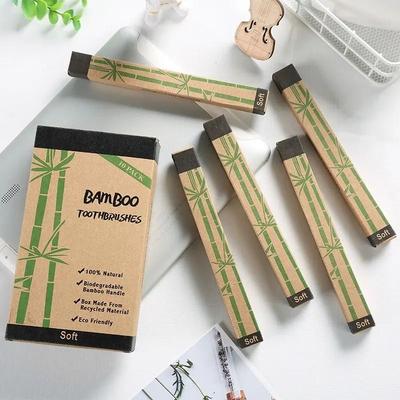
Uplift Essentials Natural Bamboo Eco Friendly Toothbrush 10 Piece Sustainable Family Pack Natural Bamboo Eco Friendly Toothbrush 10 Piece Sustainable Family PackTransition to a greener routine with this Natural Bamboo Toothbrush Set, a premium collection of bamboo products designed to reduce environmental impact without compromising on performance. Each handle is crafted from 100% sustainable bamboo,...37,97 $*Shipping: 0,00 $Secure redirect to the provider
-
Superior Eco-Friendly Sustainable Cotton 6-Piece Bathroom Towel SetMade with incredibly soft recycled cotton, the Eco-Friendly Sustainable Cotton Bathroom Towel Set is the perfect green addition to any bathroom space. Our sustainable Cotton towels have a lightweight to get you dry quickly after a shower or bath.44,99 $*Shipping: 0,00 $Secure redirect to the provider
-
How was your postpartum experience?
My postpartum experience was challenging but also filled with joy and love. Physically, I struggled with recovery from childbirth and adjusting to the demands of caring for a newborn. Emotionally, I experienced a range of feelings, from overwhelming love for my baby to moments of anxiety and sadness. However, I also received incredible support from my partner, family, and friends, which made a huge difference in my postpartum journey. Overall, it was a time of growth, learning, and deep bonding with my new baby. **
-
Do I suffer from postpartum depression?
I'm not a medical professional, so I cannot diagnose you with postpartum depression. However, if you are experiencing symptoms such as feelings of sadness, hopelessness, irritability, or difficulty bonding with your baby that last longer than two weeks after giving birth, it's important to speak with a healthcare provider. They can provide a proper evaluation and recommend appropriate treatment options if needed. Remember, seeking help is a sign of strength and taking care of your mental health is important for both you and your baby. **
-
Am I suffering from postpartum depression?
If you are experiencing persistent feelings of sadness, hopelessness, or worthlessness after giving birth, you may be suffering from postpartum depression. Other symptoms include changes in appetite, sleep disturbances, difficulty bonding with your baby, and thoughts of harming yourself or your baby. It is important to seek help from a healthcare provider if you suspect you may have postpartum depression, as it is a treatable condition. Remember, you are not alone, and support is available to help you through this challenging time. **
-
What does postpartum mean after pregnancy?
Postpartum refers to the period of time after a woman has given birth. This period can last for several weeks to several months, and is a time of physical and emotional adjustment for the mother. During this time, the mother's body undergoes various changes as it returns to its pre-pregnancy state, and she may also experience emotional changes as she adapts to the new responsibilities of caring for a newborn. Postpartum care is important for both the physical and emotional well-being of the mother and should be provided by healthcare professionals to ensure a smooth transition into motherhood. **
Similar search terms for Postpartum
-
Is the postpartum period really that bad?
The postpartum period can be challenging for many women due to physical discomfort, hormonal changes, sleep deprivation, and the demands of caring for a newborn. It is a time of adjustment and transition that can be overwhelming for some. However, with proper support, self-care, and communication, many women are able to navigate this period successfully and find joy in their new role as a mother. It's important to remember that every woman's experience is unique, and seeking help from healthcare providers or support groups can make a big difference in managing the challenges of the postpartum period. **
-
What is the postpartum period after childbirth?
The postpartum period, also known as the postnatal period, is the time following childbirth when a woman's body goes through physical and emotional changes as it returns to its pre-pregnancy state. This period typically lasts about six weeks, but the exact duration can vary from woman to woman. During this time, the mother may experience physical symptoms such as bleeding, breast engorgement, and fatigue, as well as emotional changes such as mood swings and feelings of sadness or anxiety. It is important for women to receive proper support and care during the postpartum period to ensure their physical and emotional well-being. **
-
What should one eat during the postpartum period?
During the postpartum period, it is important to focus on nutrient-dense foods that can help with recovery and provide energy. This includes foods rich in iron, calcium, protein, and vitamins. Some examples of foods to eat during this time include lean proteins like chicken and fish, dairy products like yogurt and cheese, whole grains, fruits, and vegetables. It is also important to stay hydrated by drinking plenty of water and other fluids. Consulting with a healthcare provider or a nutritionist can help create a personalized postpartum diet plan. **
-
How long should one rest during the postpartum period?
During the postpartum period, it is recommended that new mothers rest as much as possible. Resting for at least 6-8 weeks after giving birth is ideal to allow the body to recover from childbirth and adjust to the physical and emotional demands of caring for a newborn. It is important to listen to your body and not push yourself too hard during this time to prevent complications and promote healing. Getting enough rest and support during the postpartum period is crucial for the overall well-being of both the mother and the baby. **
* All prices are inclusive of VAT and, if applicable, plus shipping costs. The offer information is based on the details provided by the respective shop and is updated through automated processes. Real-time updates do not occur, so deviations can occur in individual cases. ** Note: Parts of this content were created by AI.